
Tips for Driving as an Amputee
Driving after an amputation involves more than just traveling from point A to point B; it can also affect your confidence, mood, and independence. The use of adaptive equipment, compliance with state regulations, and the challenge of learning new controls can cause anxiety even before you turn your car on.
At Payer Law Personal Injury Lawyers, our compassionate legal team based in Miami and Orlando, Florida, provides accurate and sound information to drivers. Read on to learn more about tips for driving as an amputee and how to regain your confidence and sense of independence.
How Mobility Challenges Contribute to Driver Stress Before Starting Out
Stress Behind the Wheel From Accessibility Barriers
Amputee drivers often experience stress even before starting the car. They face unique challenges behind the wheel, such as:
- The time and frustration involved in adjusting prosthetics, hand controls, or steering knobs
- Anxiety about whether adaptive equipment will function properly
- Ongoing stress that lowers patience and makes minor traffic issues feel overwhelming
These mental and physical barriers do more than create a bad mood. They can lead to persistent stress that comes from feeling less in control and more vulnerable while driving.
Unwanted Public Attention and Safety Concerns
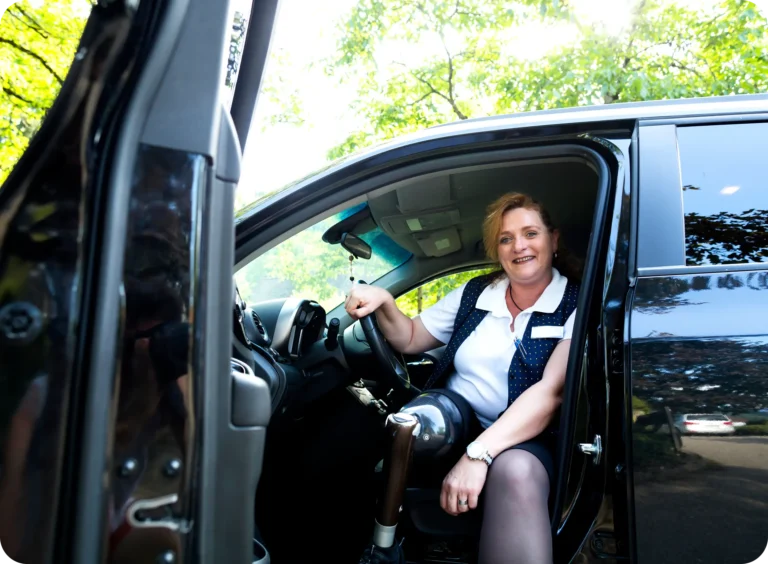
External factors can significantly affect an amputee driver’s well-being. For example, using adaptive equipment or transferring into vehicles in public can draw unwanted attention. It can trigger fight-or-flight responses, particularly in new amputee drivers who are not used to stares or even comments from passersby. This can lead to built-up stress that manifests as road rage or irritability during tense driving moments, possibly putting the driver and those around them at risk of a car accident.
Adaptive Driving Challenges and Their Impact on Mental Health
Chronic Stress and the Development of Anxiety Disorders
Adjusting to life after an amputation injury means learning brand new driving methods, which can increase a person’s anxiety levels. You will be required to overcome driving-related stress, such as mastering prosthetics or navigating adaptive controls.
This can compound overall mental health strain that may already be present in your personal and professional life. In addition to learning new skills, you may also face financial pressure related to vehicle modifications.

Frustration, Road Tension, and Anger Outbursts
Most people can relate to how stress builds up and how a single issue can trigger strong emotions. For amputee drivers, even small challenges with adaptive equipment or vehicle access can create frustration for both themselves and others on the road.
While drivers are adjusting to prosthetics or adaptive controls, response times may feel different, and other motorists may show impatience even when disability indicators are clearly displayed. These situations make it especially important to practice mindfulness, patience, and defensive driving to maintain safety and reduce conflict.

Safety Risks and Near-Miss Incidents
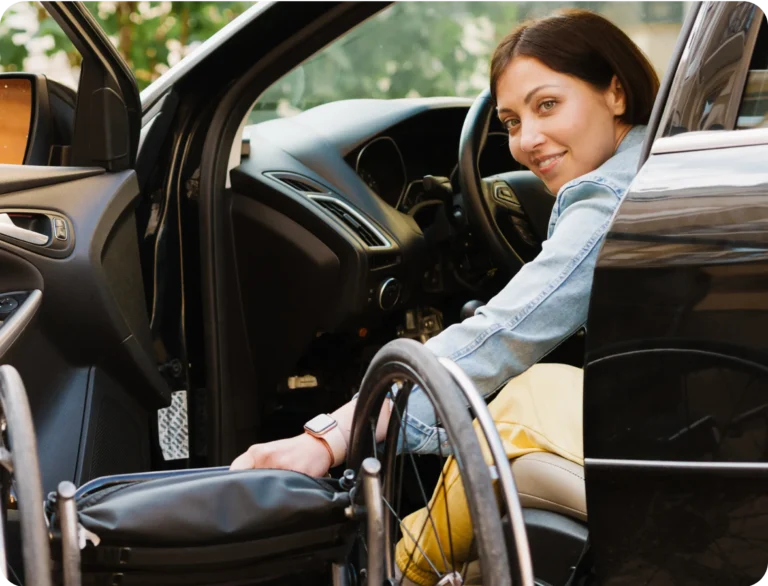
Driving a vehicle equipped with accommodations for amputees can be more complex than operating a standard car. You may encounter challenges that many other drivers do not experience, such as adjusting to hand controls, specialized foot pedals, or transferring in and out of the vehicle.
These adjustments can sometimes contribute to near-miss situations or added stress on the road. Because stress and frustration can affect focus, it is especially important to approach adaptive driving with patience, preparation, and defensive driving strategies to reduce collision risks.

Understanding the Dangers of Distracted Driving and Road Stress
Anxieties and frustrations while driving are a major cause of accidents across the United States. Stress can preoccupy your mind and divert your attention from the road, which is a form of distracted driving.
According to the National Highway Traffic Safety Administration (NHTSA), distracted driving claimed the lives of over 3,275 people across the United States in 2023. Additionally, the CDC reports that nine people in the U.S. are killed daily in crashes involving a distracted driver.
Proactive Steps Amputee Drivers Can Take
Document Your Adaptation Journey
Use photos, videos, journals, and other forms of documentation to track your prosthetic use, adaptive equipment modifications, and any challenges you face—record barriers and improvements you encounter for medical appointments, insurance, and when consulting a lawyer.
Prioritize Your Mental Well-Being
Every person, regardless of whether they have a disability, can utilize mindfulness or breathing techniques while driving. Practice these grounding methods in low-traffic areas before driving in heavier conditions. You can also seek support from rehabilitation specialists or support groups that focus specifically on amputee drivers.
Reclaim Your Independence and Confidence as an Amputee Driver
Our experienced attorneys offer amputees guidance on adaptive driving, legal support, and resources to enhance safety and reduce stress. We collaborate with clients to help them regain independence and enjoy peace of mind while driving. For more details or to schedule a consultation, contact our office today.